Understanding interpersonal skills meaning has become essential in today’s world—whether you’re building a career, strengthening relationships, or simply trying to communicate better.
People search for this term because they want to know what these skills really are, how they work in real life, and why some individuals naturally connect while others struggle.
Interpersonal skills go far beyond “being good with people.” They shape communication, trust, influence, and emotional intelligence. Mastering them can transform both personal and professional life.
Definition & Core Meaning
At its core, interpersonal skills refer to the abilities that help individuals communicate, interact, and build relationships effectively with others.
These skills combine communication, emotional awareness, and social behavior.
Core Meanings of Interpersonal Skills
- The ability to communicate clearly and effectively
- Understanding and responding to others’ emotions
- Building and maintaining relationships
- Listening, empathy, and conflict resolution
- Navigating social situations with confidence
Simple Examples
- “She has excellent interpersonal skills—everyone feels comfortable around her.”
- “Strong interpersonal skills helped him succeed in interviews.”
- “Listening carefully is a key interpersonal skill.”
Unlike technical skills, interpersonal skills are human-centered—they focus on connection rather than tasks.
Historical & Cultural Background
The idea behind interpersonal skills is not new. Humans have always relied on social interaction for survival and growth.
Ancient Foundations
- Early human societies depended on cooperation and communication
- Philosophers like Aristotle emphasized social relationships as part of a good life
- Tribal and communal systems valued listening, trust, and cooperation
- Communication was essential for leadership and group survival
Cultural Interpretations
Western Cultures
- Emphasize communication, confidence, and assertiveness
- Value self-expression and leadership skills
Asian Cultures
- Focus on harmony, respect, and indirect communication
- Emotional control and group balance are prioritized
Indigenous Cultures
- Highlight storytelling, listening, and community bonds
- Emphasize collective understanding over individual expression
Modern Global Perspective
Today, interpersonal skills are seen as a core part of emotional intelligence, leadership, and collaboration across cultures.
Emotional & Psychological Meaning
Interpersonal skills are deeply connected to how people think, feel, and relate to others.
Personal Growth
- Builds confidence in social situations
- Improves communication clarity
- Encourages empathy and understanding
- Strengthens decision-making in group settings
People with strong interpersonal skills often grow faster because they can connect, influence, and collaborate effectively.
Identity & Self-Awareness
- Reflects emotional intelligence
- Shapes how others perceive you
- Builds personal and professional reputation
Your interpersonal style becomes part of your identity—whether you are approachable, trustworthy, or distant.
Healing, Mindset & Symbolism
- Healthy communication supports emotional healing
- Open conversations reduce misunderstandings
- Strong relationships improve mental well-being
Symbolically, interpersonal skills represent connection, trust, and human understanding.
Different Contexts & Use Cases
Interpersonal skills adapt depending on where and how they are used.
Personal Life
- Communicating with family members
- Building friendships
- Resolving misunderstandings
- Showing empathy and support
Social Media
- Responding respectfully in comments
- Managing online communication tone
- Building personal brand relationships
- Avoiding conflict or misinterpretation
Relationships
- Active listening
- Emotional support
- Conflict resolution
- Building trust and intimacy
Strong interpersonal skills are the foundation of healthy relationships.
Professional or Modern Usage
- Job interviews and workplace communication
- Team collaboration
- Leadership and management
- Customer service and networking
Employers often value interpersonal skills as much as technical abilities.
Hidden, Sensitive, or Misunderstood Meanings
Interpersonal skills are often misunderstood or oversimplified.
What People Get Wrong
❌ It means being talkative
❌ It’s only useful in jobs
❌ It’s something you’re born with
In reality, interpersonal skills include listening, empathy, and emotional awareness—not just speaking.
Cultural Misinterpretations
- Direct communication may seem rude in some cultures
- Quiet behavior may be misunderstood as lack of skill
- Emotional expression varies widely across societies
When Meaning Changes
- In business: professional communication
- In friendships: emotional connection
- In leadership: influence and trust
Context shapes how interpersonal skills are expressed and judged.
Comparison Section
| Term | Meaning | Key Difference |
|---|---|---|
| Interpersonal Skills | Ability to interact with others | Focus on relationships |
| Communication Skills | Sharing information clearly | Focus on message delivery |
| Social Skills | Behavior in social settings | Broader, less structured |
| Emotional Intelligence | Understanding emotions | Internal + external awareness |
| Soft Skills | Non-technical abilities | Includes interpersonal skills |
Key Insight:
Interpersonal skills are the bridge between communication and emotional intelligence, turning interaction into meaningful connection.
Popular Types / Variations of Interpersonal Skills
Interpersonal skills include multiple sub-skills that work together.
1. Communication Skills
Meaning: Clear expression of ideas
Explanation: Speaking and writing effectively
Example: “She explained the concept clearly.”
2. Active Listening
Meaning: Fully focusing on the speaker
Explanation: Understanding before responding
Example: “He listened without interrupting.”
3. Empathy
Meaning: Understanding others’ feelings
Explanation: Emotional connection
Example: “She understood his situation.”
4. Conflict Resolution
Meaning: Solving disagreements
Explanation: Finding peaceful solutions
Example: “They resolved the issue calmly.”
5. Teamwork
Meaning: Working well with others
Explanation: Collaboration and cooperation
Example: “The team succeeded together.”
6. Emotional Intelligence
Meaning: Managing emotions
Explanation: Awareness and control
Example: “He stayed calm under pressure.”
7. Nonverbal Communication
Meaning: Body language and expressions
Explanation: Communicating without words
Example: “Her smile showed confidence.”
8. Negotiation Skills
Meaning: Reaching agreements
Explanation: Balancing needs and outcomes
Example: “They agreed on fair terms.”
9. Relationship Building
Meaning: Creating strong connections
Explanation: Trust and consistency
Example: “He built lasting partnerships.”
10. Assertiveness
Meaning: Expressing needs confidently
Explanation: Respectful communication
Example: “She spoke up clearly.”
How to Respond When Someone Asks About It
Casual Responses
- “It’s how you deal with people.”
- “It means being good at communication.”
Meaningful Responses
- “It’s the ability to understand and connect with others.”
- “It combines communication, empathy, and relationship-building.”
Fun Responses
- “It’s your ‘people skills.’”
- “It’s how you survive group projects.”
Private Responses
- “It’s about how you make others feel.”
- “It’s the energy you bring into conversations.”
Regional & Cultural Differences
Western Cultures
- Focus on confidence, clarity, and assertiveness.
Asian Cultures
- Value respect, harmony, and indirect communication.
Middle Eastern Cultures
- Emphasize relationships, trust, and hospitality.
African & Latin Cultures
Highlight community, warmth, and expressive interaction.
Each culture shapes interpersonal skills differently, but the goal remains the same: connection and understanding.
FAQs
What is the simple meaning of interpersonal skills?
They are the abilities used to communicate and interact with others effectively.
Why are interpersonal skills important?
They help build relationships, improve communication, and support career success.
Are interpersonal skills the same as communication skills?
Not exactly. Communication is one part of interpersonal skills.
Can interpersonal skills be learned?
Yes, they can be improved with practice and awareness.
What are examples of interpersonal skills?
Listening, empathy, teamwork, and conflict resolution.
Are interpersonal skills important in jobs?
Yes, employers highly value them for teamwork and leadership.
How can I improve my interpersonal skills?
Practice listening, stay aware of emotions, and communicate clearly.
Conclusion
The true interpersonal skills meaning goes beyond simple communication. It reflects the ability to connect, understand, and build meaningful relationships in every area of life.
These skills influence how people see you, trust you, and work with you. Whether in personal relationships or professional environments, strong interpersonal skills create opportunities, reduce conflict, and strengthen human connection.
At their core, interpersonal skills are about one thing—understanding people and being understood in return.
DISCOVER MORE ARTICLES
Yapper Meaning: Definition, Origins, Social Impact, and Why This Slang Word Says More Than You Think
Juxtaposition Meaning: How Placing Opposites Side by Side Reveals Deeper Truths
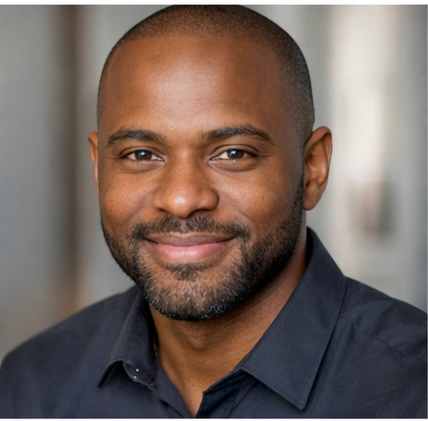
Robinson Zek is a terminology researcher and editorial reviewer ensuring accurate, trustworthy, and well-structured definitions for readers exploring unfamiliar words and phrases.